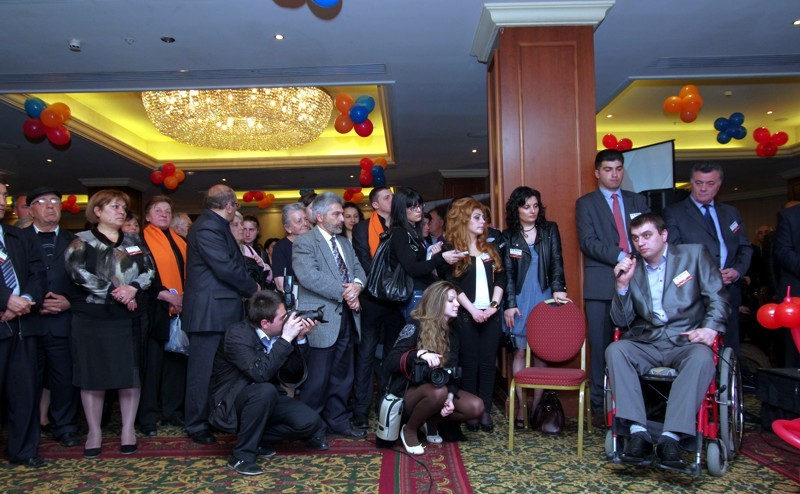


In Yerevan a Conference was Held Dedicated to the Electoral Law
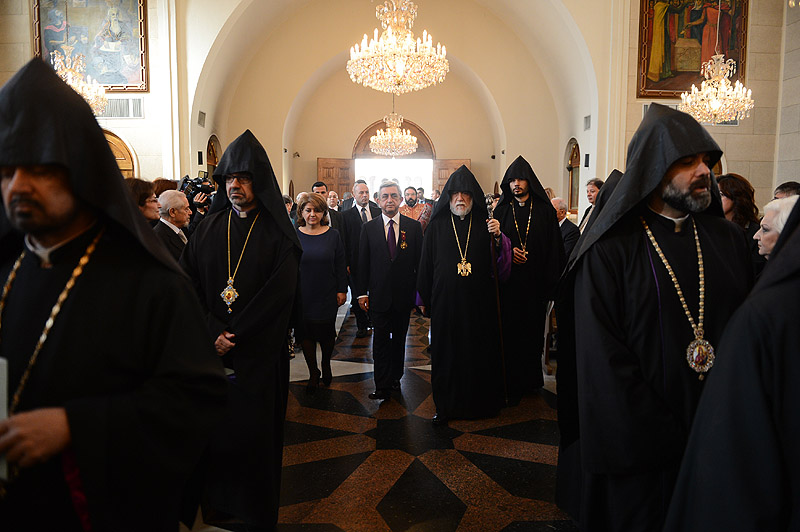
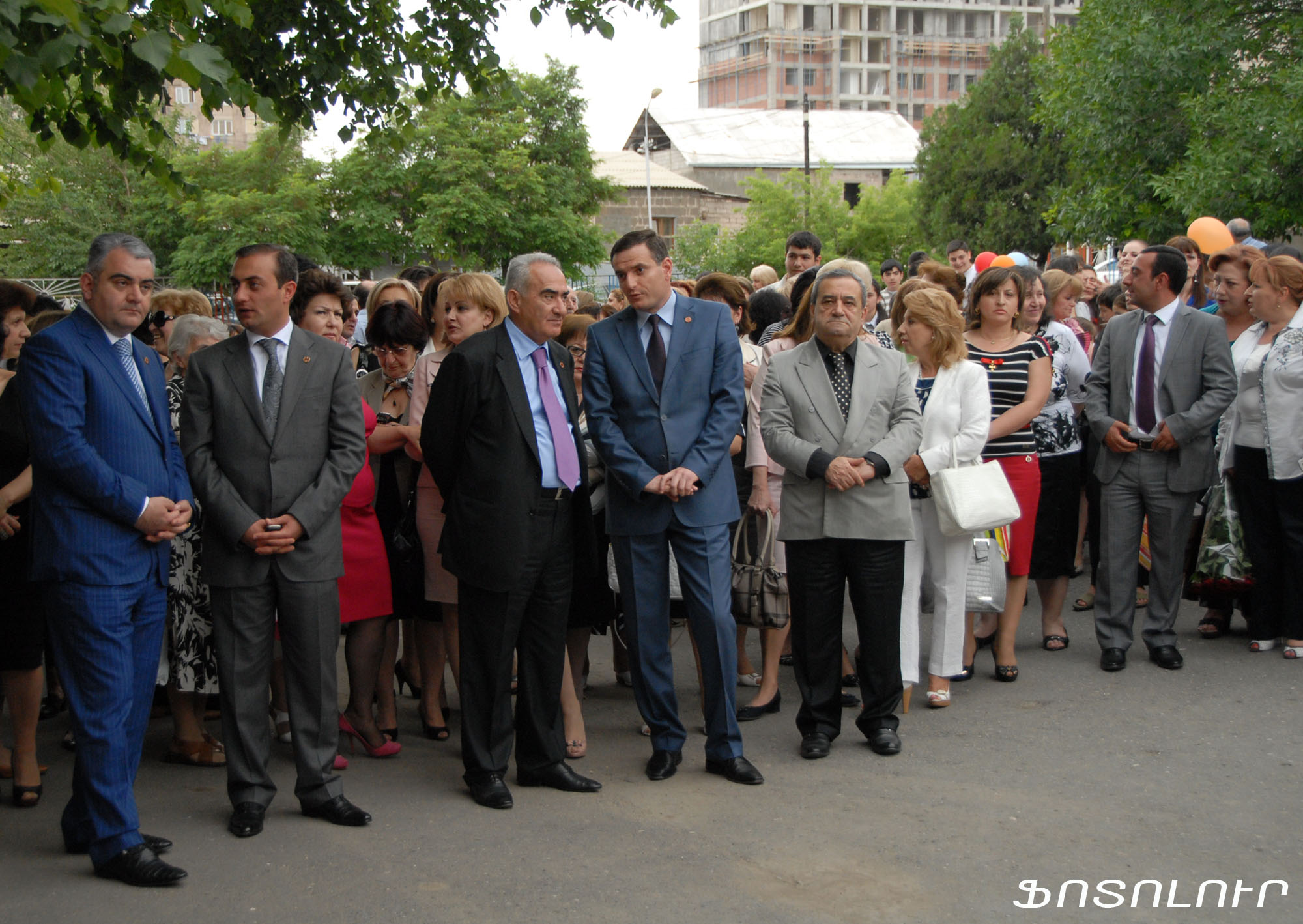
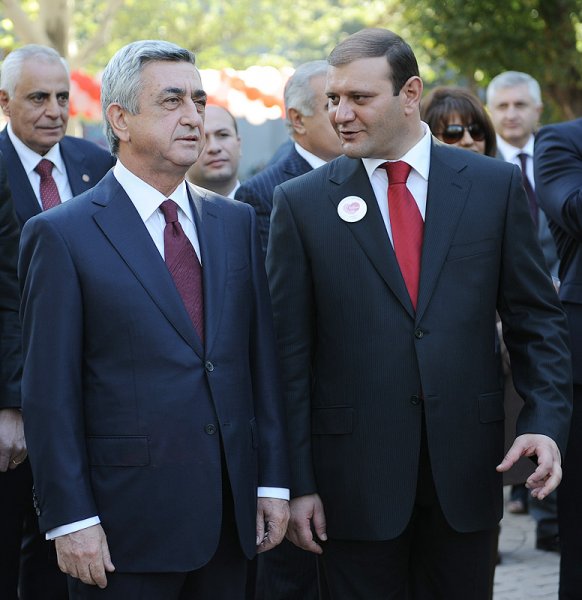
Weekly news, Politics | ankakh | November 24, 2010 15:41 November 22-23, in D Yerevan hosted a conference devoted to the electoral law. Its organizers were the Armenian mission of the Agency for International Development, the International Foundation for Election Systems (IFES), OSCE Yerevan Office and the European Union, the National Assembly of Armenia and the Central Election Commission. The aim of the conference was to discuss the draft Electoral Code of Armenia in the new edition, as well as the electoral process in Armenia in terms of local and international experts.
“Both local and international experts have repeatedly said that as the current and previous electoral laws provide sufficient legal basis for holding democratic elections. Is it worth it in such a case, reforming the electoral law. I am sure that it is worth. And for the following reasons: in previous years during the elections we have not paid sufficient attention to this essential factors, such as mutual trust among participants of the electoral process and the level of electoral culture in society. Unfortunately, we still do not have the kind of political culture, when the winning candidate from taking advantage of the defeat. As a rule, the loser rigged elections, “- said in his opening remarks, the chairman of the National Assembly Hovik Abrahamyan.
Within two days they discussed issues of electoral administration and financing of political campaigns and the use of administrative resources. International experts presented experiences of various countries. As noted by the Venice Commission expert said Vadim Zhdanovich, “crystal clear” elections do not happen, and a shining example of this is the elections democratically developed countries. According to him, not by chance that their commission the main issue on the agenda relates to the prevention of fraud.
“Election fraud taking place everywhere, they are happening in my country”, – assured IFES advisor on electoral matters, American Cameron Quinn. At the same time he stressed that they are most prevalent where there are not condemned, are not considered as a bad thing, and when not to be penalized. In this regard, a very important aspect is to improve the instruments for the prevention of fraud.
During the discussion it became apparent that the views of international experts on the proposals submitted by representatives of public and political circles of Armenia, in some cases contradictory.
The parliamentary opposition, the ARF and Heritage, as well as some extra-parliamentary political parties, 21 non-governmental organization and movement provided nearly similar recommendations. In order to prevent fraud, in particular, it is proposed to organize the voting and counting to use videotape, the formation of election commissions only political parties with factions in the National Assembly, free access to copies of voter lists at polling stations.
The latter requirement, according to the authors, due to the fact that in every election there is a “renaissance” of large numbers of dead. In this regard, a lawyer and an expert on recount IFES, American John Ardeen Young noted that this problem is not limited to Armenia. In the U.S., have also been cases when the dead rose from the dead to vote.
Unlike American Cameron Quinn, who stressed the importance of the publication of voter lists, European experts have rated it as a violation of privacy, because not voting could be a political decision and should not be made public.
Deputy chairman of Patria Heritage Rubik Hakobyan urged international experts to take into account the peculiarities of the country and “not an absolute right of the individual at the expense of human society.” As a particular country, it was noted that one third of the citizens of Armenia are not available, but that does not stop, so they also “participated” in the vote.
International experts have stressed the need for an effective, independent appeals system, while assuring that there is no universal recipe. According to them in different countries different tools are used. Then it was pointed out that no matter what decisions are the final version of the new edition of the Electoral Code that is sent to international expertise, will receive the questions, it is important to achieve a broad political consensus.
Gayane Melikyan

 Facebook
 Tweet This
 RSS Feed
 Email This Post


 Loading ...